May 19, 2013 10:59 PM EDT 
Kansas fans are still smiling about Andrew Wiggins’ decision to attend the school. In this edition, I explore how the rest of the Big 12 will look in 2012-13.
For a description of the model that generated these rankings click here.
|
Team
|
Proj CW
|
Proj CL
|
Proj Off
|
Proj Def
|
Last Off
|
Last Def
|
T100
|
Ret Min
|
Ret Poss
|
|
Kansas
|
14
|
4
|
113.6
|
89.2
|
111.8
|
85.7
|
8
|
23%
|
23%
|
|
Oklahoma St.
|
14
|
4
|
113.6
|
89.3
|
107.4
|
88.3
|
5
|
89%
|
93%
|
|
Baylor
|
12
|
6
|
115.3
|
95.1
|
114.2
|
94.5
|
7
|
60%
|
54%
|
|
Iowa St.
|
10
|
8
|
111.5
|
96.3
|
117.6
|
97.6
|
3
|
36%
|
37%
|
|
West Virginia
|
10
|
8
|
110.6
|
95.7
|
103.6
|
99.9
|
3
|
67%
|
62%
|
|
Texas
|
8
|
10
|
102.6
|
91.9
|
100.9
|
94.5
|
5
|
65%
|
59%
|
|
Kansas St.
|
8
|
10
|
104.0
|
94.2
|
113.0
|
94.5
|
0
|
49%
|
44%
|
|
Oklahoma
|
6
|
12
|
101.7
|
96.5
|
110.0
|
95.9
|
1
|
41%
|
37%
|
|
Texas Tech
|
5
|
13
|
102.7
|
101.2
|
96.7
|
105.4
|
0
|
77%
|
76%
|
|
TCU
|
3
|
15
|
95.6
|
99.4
|
91.6
|
102.2
|
1
|
44%
|
46%
|
For an explanation of column headings click here.
Kansas: As I noted on Twitter, if you think Kansas should have a better projection, you may be right. The historic data may not give us an accurate read on Andrew Wiggins. If he is the best high school prospect since LeBron James, that literally means there hasn’t been a comparable freshman in my data. On the other hand, if we can learn something from past freshman phenoms, the lesson is to be careful. In 2010, pundits everywhere claimed that Harrison Barnes was the No. 1 player in the country and one of the greatest prospects on the planet. Then Barnes had such a dreadful freshman season that he stuck around for his sophomore year. And even if Wiggins is great, on a young team with an entirely new starting lineup, there will likely be a few hiccups.
Oklahoma St.: You know your team is headed in the right direction when this is one of your top off-season questions:
Can JUCO center Gary Gaskins replace what Philip Jurick gave Oklahoma St. last year? Jurick wasn’t much of an offensive player, and he was in foul trouble way too often, but he did provide some nice size, shot-blocking, and rebounding when he was on the court.
Yes, the Cowboys return 93% of their offensive possessions on a team that almost won the Big 12 last season. With Markel Brown throwing down more windmill dunks, LeBryan Nash hopefully maturing into his high potential, Michael Cobbins continuing to dominate the paint, and All-American candidate Marcus Smart returning to school, the future is bright.
The only negative piece of news I can find is this. ESPN dropped recruit Detrick Mostella out of its Top 100. (I’m still counting him as a Top 100 recruit until the final consensus rankings are out.)
Baylor: I provided a more detailed summary of Baylor’s lineup last week, but here are a few more thoughts: Losing LJ Rose and Deuce Bello is not a big deal. They had ORtgs of 69 and 86 last year. In fact, Baylor actually moved up from 25th to 24th in my model with the announcement that Rose is gone. He won’t be wasting a handful of possessions in meaningless games this year. And with the recent news that Denver’s Royce O’Neale will be transferring to join the team, Baylor could move even higher. (I want to hear more confirmation that O’Neale will be eligible immediately before I move him into the lineup.)
Iowa St.: Fred Hoiberg just refuses to have a rebuilding year. He has added four JUCO players this off-season. By bringing in transfers three years in a row, he has ensured he has enough veterans to compete each season.
Part of me thinks this is because he is hoping to jump to the NBA. Hoiberg doesn’t want a down-season to wreck his reputation. But if the quick fixes keep working, it is hard to argue with the strategy.
The only real question mark is at PG where freshman Monte Morris has been rising up the recruiting ranks, but still isn’t high enough to be a guaranteed star. Still, with all those JUCO players supporting Georges Niang, Melvin Ejim, and Top 100 prospect Matt Thomas, this team should finish in the top half of the Big 12.
West Virginia: Right now I have West Virginia as the 45th best team in the nation, which would put them squarely on the bubble. But I have complete confidence that Bob Huggins will be back in the tournament. And it isn’t just based on his history of winning. The roster turnover for West Virginia is ideal. Deniz Kilicli, Jabarie Hinds, and Dominque Rutledge had ORtgs of 92, 86, and 84 last year. They were the three least efficient players in the West Virginia lineup. And their departure should hasten the improvement in the West Virginia offense.
I will never understand why Bob Huggins felt so compelled to build his offense around Kilicli. He may have been big and bearded, but he was a poor rebounder, poor finisher, and he had bad hands. Trusting Kilicli was one of Bob Huggins worst decisions at West Virginia.
But Huggins refuses to have another team that lacks interior strength. Huggins is bringing in Top 50 recruit Devin Williams in the paint, two JUCO paint players, and three more freshman forwards. The message is pretty simple. Bob Huggins is tired of his post-play being a liability.
Texas and Kansas St.: I stared at this for awhile, because it surprised me that Texas has a better defensive projection than Kansas St. The bottom line is that the teams had equivalent defenses last year, the coaches have almost identical historical defensive performance (Rick Barnes is seriously under-rated as a defensive coach), and thus it came down to two other factors. First, Texas has more Top 100 recruits. Having athletic players helps on defense as well as offense. Second, Texas returns a larger percentage of its rotation, which should help with continuity.
Still, I suspect Bruce Weber will do even better defensively than what you see here. And he’ll need to given what Kansas St. loses. The Wildcats return just 44 percent of their possessions from last season, and with no elite recruits coming in and no high potential players on the roster, the offense is simply going to take a huge step back.
The Kansas St. player most likely to break out is probably Thomas Gipson. He has been a relatively efficient aggressive player his whole career, and with more playing time, his PPG and RPG numbers should skyrocket.
Shane Southwell and Will Spradling are also quality players, but both have flags that make the model question whether they can become stars. For Southwell, there is a concern whether last year’s hot three point shooting will be sustainable. Southwell suddenly jumped from being a guy who couldn’t buy a three pointer to a 44 percent three point shooter last year, and there may be some regression. And Spradling was super-efficient, but rarely shot. It isn’t clear whether Spradling can maintain his efficiency while taking a larger role on the team.
But even if the Kansas St. offense falls off dramatically, the Texas offense still looks worse on paper. Returning Top 100 recruits Cameron Ridley, Prince Ibeh, Javan Felix, and Jonathan Holmes should make some progress. But even if they do, this still won’t be a good offensive team.
Oklahoma: The Big 12 is really becoming the land of JUCO transfers this year. When Amath M’Baye unexpectedly declared for the draft, Lon Kruger realized he would be starting over in the paint and brought in three JUCO big men to try to fill the void. But I’m surprised he didn’t bring in a JUCO transfer at the PG position. With Sam Grooms departing, there is a real empty spot at that position too. Isaiah Cousins has the highest assist rate of any returning guard, but he struggled with turnovers. And that probably means that unranked freshman Jordan Woodard will be asked to run the show. Without high potential players in the paint or at the PG spot, there just isn’t a lot of upside for this team. The model projects them to win five less conference games than a year ago.
Texas Tech: I stared at the Texas Tech projection for awhile because it really doesn’t make sense to me. Certainly, I expect Tubby Smith to turn Texas Tech’s defense around. For Texas Tech’s defense to improve to 102.7 seems like a cakewalk. But I was puzzled that the model is so optimistic about Texas Tech’s offense. Basically, this is a case of addition by subtraction. The only key player Texas Tech loses is Josh Gray.* And Gray used way too many possessions (15 of 80 from 3) for an inefficient player (81 ORtg) while running the point for the Red Raiders. Of course backup PG Daylen Robinson wasn’t any better (70 ORtg). And you can see why Tubby Smith’s first move at Texass Tech was to go sign a JUCO PG in Robert Turner. Turner may not have major upside, but his job should simply be to get the ball to the other players and stop wasting possessions. Jaye Crocket, Jordan Tolbert, Dejan Kravic, and Dusty Hannahs may not have been good players, but they were average. And just making sure the team gets an average shot each possession will be a serious upgrade from last season.
Of course, to some degree the model may be falling for the “bad shot fallacy.” I.e., when a team runs its offense and can’t get a good shot, the PG often ends up jacking up threes as the shot-clock expires. Josh Gray wasn’t the only bad player on the team last year. But with a new coach and most players back, some upward trajectory is certainly possible.
*Ty Nurse is also gone but he almost never shot the basketball.
TCU: It feels like TCU should be making a bigger move in the right direction. Kyan Anderson was a remarkably solid PG on a dreadful offensive team. Devonta Abron looks like he might be a legitimate Big 12 post player. Meanwhile transfer Karviar Shepherd is the first consensus Top 100 freshman to attend TCU since at least 2000. But TCU was an absolutely dreadful D1 team last year. And with only 44% of the teams minutes returning, the Horned Frogs will be breaking in a bunch of new unranked players again next year. When transfer Trey Ziegler joins the team in 2014-2015, there might be some real upward mobility. Until then expect more of the same.
Andrew Wiggins, Shane Southwell, Will Spradling, Thomas Gipson, Markel Brown, Marcus Smart, LeBryan Nash, Kansas Jayhawks, Oklahoma State Cowboys, Baylor Bears, Iowa State Cyclones, West Virginia Mountaineers, Texas Longhorns, Kansas State Wildcats, Oklahoma Sooners, Texas Tech Red Raiders, Texas Christian Frogs, Big 12 Conference, NCAA Mar 12, 2013 11:07 PM EDT On Monday night, the most dominant basketball player in the world led her team to their third consecutive Big 12 Conference Tournament championship. Brittney Griner, Baylor’s 6’8 senior center, towers above her sport (literally and metaphorically) in ways even LeBron James and Kevin Durant cannot. Not only is she the tallest player in the women’s game, she’s as fast and as skilled as anyone in the country as well. The best comparisons for Griner in the men’s game come from a time when giants ruled the NBA and games were rarely seen on national TV, but she’s as much a window into the future as a glimpse into the past. Griner, an athletic 6’8 210 center with an even more preposterous 7’4 wingspan, is an above the rim presence in a below the rim game. She has Anthony Davis’ dimensions in a sport where the average height is 5’11. As a result, she distorts the action in several fundamental ways. When she has the ball in her hands, no one can contest her shot or stay in front of her. The only way to defend her is to zone the paint and shadow her with 2-3 defenders, creating wide-open shots for her All-American teammates. On defense, she blocks shots as easy as Davis did at Kentucky, shutting down the paint almost single-handedly. Where she’s really improved this season is the level of polish in her offensive game. The game has really slowed down for her; she almost always makes the right decisions with the ball. For the first time in her collegiate career, she has a positive assist-to-turnover ratio. She has a very refined post-game and great confidence in her step-back jumper, so there’s really nothing an individual defender can do to prevent her from getting a very high-percentage shot at the basket. Iowa State had a 6’7 center and even she couldn’t block or bother Griner’s 7’4 release point. Her statistics speak for themselves. As a senior, Griner is averaging 24 points, 9 rebounds, 2.5 assists and 4 blocks on 60% shooting. Kareem Abdul-Jabbar is the only NBA player to have approached those numbers, although the league didn’t keep track of blocks when Wilt Chamberlain and Bill Russell played. I wasn’t around for their games in the 1960’s, but I imagine they must have looked like a Baylor women’s game today. When Griner is playing well, she makes the game look unfair for everyone else. The Bears held the No. 23 team in the country down 41-13 at the half on Monday; they routinely beat ranked teams with scores like 83-49 and 85-51. Baylor had won a national title in 2005, but Griner has brought the program to the level of Tennessee and UConn, who have combined to win 15 titles in the last 25 years. As a sophomore, Griner led the Bears to a 34-3 record and an Elite Eight appearance. In her junior season, they went 40-0 and won the national title. Baylor is 32-1 this season, with only two of their wins coming by less than 10 points. The Bears have gone 105-4 in her last three years in school, which compares favorably to the 88-2 record Kareem compiled at UCLA. She may have a small learning curve in her rookie season in the WNBA, but it’s hard to imagine her unrivaled physical abilities not translating quickly to the next level. There hasn’t been a men’s prospect as ready to be a professional as Griner since the 1960’s and 1970’s, the last time great players were expected to stay four years in school no matter what. Kareem entered the NBA in 1969 and was an NBA Finals MVP in 1985, a first-team All-NBA C in 1986 and an All-Star in 1989. With that timetable, Griner could be a great player in 2032! Like Kareem, Griner will be great as long as she’s taller and longer than her opponents. Kareem won an NBA Finals MVP at 23 and 37. When a 7’2 player with a 7’5 wingspan shoots the ball over his head, there’s not much anyone else will be able to do about it. People tell me that no one could match Michael Jordan’s “will to win”, but Kareem could play keep-away with the basketball. He’s the NBA’s all-time leading scorer and has six regular-season MVP’s and six championships on his resume. The modern NBA is a more perimeter-oriented game, but a great 7’2 center would dominate in any era. The difference is, with the way basketball is played now, the next great 7’2+ player probably won’t be content to stay on the low block. A generation ago, LeBron and Durant would never have developed into perimeter players. Without Michael Jordan and the AAU game that followed him, they would have been turned into centers by their high-school coaches. They are Jordan’s legacy: big men who grew up wanting to be guards with shoe companies of their own. And just as Jordan inspired them, the next generation of basketball players will follow in their footsteps. That’s the real question: if LeBron is a bigger and more unselfish Jordan, what’s next? Where does the game go from here? If I had to guess, the player who surpasses LeBron will have a game a lot like Brittney Griner’s. As great as LeBron is, he’s not a center. He’s not the tallest player on the floor; he’ll never be as dominant an interior defender as someone who can average 4 blocks a game and force a team to abandon the paint offensively. LeBron is the most versatile defensive player in the NBA, but he didn’t have an answer for Dwight Howard (6’10 260) in 2009 or Dirk Nowitzki (7’0 240) in 2011. It’s no coincidence that Griner’s frame is so similar to that of Anthony Davis. That’s the evolution of the game in real time: the best players seem to be getting longer and more skilled every year. Durant is the most prominent example, but there have been a number of less successful models to come into the NBA over the last generation. However, from Jonathan Bender to Anthony Randolph and JaVale McGee, none has been able to put the whole package together. I believe a 7’2 240 stretch 5 capable of running point and playing dominant interior defense is possible. But until “Point Kareem” emerges, Griner is as close to the platonic ideal of a great basketball player as there is. Dec 03, 2012 12:33 PM EST
The game of the weekend featured Baylor ending Kentucky’s 55-game home winning streak. I’ve often described Scott Drew as an excellent recruiter, but without the in-season coaching ability of John Calipari. But for at least one afternoon, Scott Drew’s club ended up on top.
A couple of things fascinated me about the game.
First, John Calipari had Kyle Wiltjer on the bench for a long stretch in the second half. And he really had no choice. Wiltjer finished the day 1-for-11 from the floor, and he doesn’t have the defensive ability to stay in the game if his shot isn’t falling. Wiltjer has to find ways to provide value to his team other than just knocking down threes if he is going to be a true leader this season.
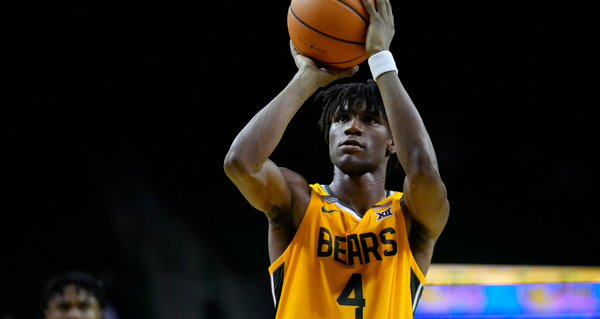
Second, I continued to be impressed with the all-around game of Baylor’s Isaiah Austin. I wish he would settle for a few less outside shots, but what I love about Austin is how he always looks extremely focused when on the floor. Even if he commits a turnover or takes a dumb shot, Austin doesn’t ever appear to get rattled.
Of course it is easy to describe an intangible like “quiet confidence” when a player is winning. And with Kentucky losing, it is easy to attack Nerlens Noel’s complete lack of an offensive game. But had Kentucky rallied to win, we’d instead be talking about all the little things Noel did to help his team win on Saturday. Noel had 16 rebounds and 6 steals in Kentucky’s loss, and Kentucky needed those defensive stops in a game where they shot so poorly. Watching so many freshmen play prominent roles made me want to do a quick update of how all the top recruits have fared this season. Here is a summary of the RSCI Top 80. * = injured or ineligible for part of the season
| |
Player
|
Team
|
PPG
|
Pct Min
|
Pct Poss
|
ORtg
|
DR%
|
Ast%
|
|
1
|
Shabazz Muhammad
|
UCLA
|
16.0
|
42.4*
|
28.0
|
105.2
|
11.1
|
5.9
|
|
2
|
Nerlens Noel
|
Kentucky
|
11.4
|
78.5
|
21.1
|
110.2
|
21.1
|
14.8
|
|
3
|
Kyle Anderson
|
UCLA
|
6.6
|
69.5
|
20.4
|
87.9
|
19.4
|
20.6
|
|
4
|
Isaiah Austin
|
Baylor
|
13.7
|
64.2
|
22.1
|
107.9
|
18.2
|
6.4
|
|
5
|
Steven Adams
|
Pittsburgh
|
6.0
|
48.0
|
17.7
|
110.6
|
14.8
|
3.4
|
|
6
|
Anthony Bennett
|
UNLV
|
18.8
|
66.6
|
25.5
|
130.9
|
13.6
|
9.6
|
|
7
|
Kaleb Tarczewski
|
Arizona
|
6.2
|
51.5
|
17.6
|
109.0
|
25.8
|
6.6
|
|
8
|
Alex Poythress
|
Kentucky
|
15.4
|
73.9
|
22.7
|
114.9
|
13.7
|
3.9
|
|
9
|
Marcus Smart
|
Okl. State
|
14.5
|
85.7
|
28.0
|
103.4
|
16.4
|
35.3
|
|
10
|
Archie Goodwin
|
Kentucky
|
16.4
|
85.7
|
27.3
|
105.0
|
14.0
|
24.2
|
Kentucky has had a problem with rebounding this year, but don’t blame Nerlens Noel. He needs some help from Willie-Cauley Stein and Kyle Wiltjer who are very poor defensive rebounders for their size.
If Kaleb Tarczewski and Steven Adams aren’t earning major minutes at this point in the season, it is hard to envisioning them becoming full scale stars later. When conference play rolls around, coaches tend to be less patient with their freshmen. Thus in many ways, percentage of minutes can be the most important stat this time of year.
Efficiency is also important, and Kyle Anderson’s 87.9 ORtg is terrible for an elite recruit. Point guards can struggle more than other players to adapt to the college game and Anderson was considered to have point guard skills out of high school. So perhaps Anderson’s struggles aren’t a complete surprise. On the other hand, Archie Goodwin and Marcus Smart weren’t really point guards in high school and they have adapted to the position. Goodwin’s turnover numbers are far too high, but he’s set up his teammates passably while setting up his own shot a lot. And Marcus Smart has made a tremendous transition to playing the point-guard position at the college level. Smart’s assist rate is much better than many players regarded as better passers out of high school.
I really think the problem with Anderson is that Ben Howland hasn’t figured out how to use him. Lots of coaches from Rick Pitino to John Thompson III have been able to feature great lanky passers, by positioning them at the high post and letting them see the whole floor. Anderson still has the potential to be that type of player, even if he has struggled early.
| |
Player
|
Team
|
PPG
|
Pct Min
|
Pct Poss
|
ORtg
|
DR%
|
Ast%
|
|
11
|
Grant Jerrett
|
Arizona
|
6.6
|
47.0
|
16.2
|
126.9
|
17.2
|
9.2
|
|
12
|
Rasheed Sulaimon
|
Duke
|
12.9
|
80.0
|
20.1
|
108.2
|
10.5
|
13.4
|
|
13
|
Ricardo Ledo
|
Providence
|
|
*
|
|
|
|
|
|
14
|
Cameron Ridley
|
Texas
|
5.1
|
44.2
|
22.3
|
72.9
|
17.1
|
0
|
|
15
|
Brandon Ashley
|
Arizona
|
11.0
|
56.5
|
22.8
|
122.5
|
25.5
|
6.3
|
|
16
|
Gary Harris
|
Mich. St.
|
11.8
|
44.6*
|
21.7
|
116.1
|
7.0
|
3.1
|
|
17
|
Rodney Purvis
|
NC State
|
10.0
|
73.3
|
17.3
|
106.8
|
5.8
|
9.1
|
|
18
|
DaJuan Coleman
|
Syracuse
|
5.8
|
37.0
|
24.1
|
85.4
|
25.4
|
2.3
|
|
19
|
Sam Dekker
|
Wisconsin
|
10.5
|
51.2
|
23.1
|
125.6
|
5.9
|
16.4
|
|
20
|
Kris Dunn
|
Providence
|
|
*
|
|
|
|
|
Grant Jerrett and Sam Dekker are the only players in the Top 20 who are not starting. Ricardo Ledo is ineligible. And Kris Dunn and Gary Harris are injured.
We start to see the typical drop-off when we get to recruits in the 11-20 range. DaJuan Coleman still has the profile of a player who will be a star in a future season, but right now he is having trouble earning playing time behind other quality big men on Syracuse’s roster. Meanwhile Cameron Ridley has been extremely disappointing for Texas. Certainly it hurts not to have Myck Kabongo eligible, but Kabongo’s absence doesn’t explain why a player like Ridley can be so passive against a team like Chaminade as he was in the Maui Invitational loss. The only good thing I can say about Ridley is that he has 19 blocks already, which is more than any other player in the Top 50 except Nerlens Noel.
Only Rasheed Sulaimon has become an undisputed crunch time star for his team. And Sulaimon’s efficiency is even more impressive when you look at Duke’s strength of schedule so far. Rodney Purvis has also played major minutes, but he is deferring a lot to his teammates at this point.
| |
Player
|
Team
|
PPG
|
Pct Min
|
Pct Poss
|
ORtg
|
DR%
|
Ast%
|
|
21
|
Amile Jefferson
|
Duke
|
2.9
|
21.8
|
18.0
|
109.7
|
8.5
|
5.3
|
|
22
|
Devonte Pollard
|
Alabama
|
5.0
|
56.7
|
17.2
|
86.0
|
10.3
|
7.9
|
|
23
|
Glenn Robinson III
|
Michigan
|
12.3
|
79.2
|
18.6
|
131.3
|
14.8
|
7.5
|
|
24
|
Tony Parker
|
UCLA
|
3.3
|
13.2
|
18.5
|
117.1
|
13.7
|
4.6
|
|
25
|
Kevin "Yogi" Ferrell
|
Indiana
|
5.6
|
60.6
|
18.1
|
106.9
|
9.8
|
28.6
|
|
26
|
Mitch McGary
|
Michigan
|
5.0
|
35.7
|
20.3
|
117.4
|
26.4
|
3.4
|
|
27
|
T.J. Warren
|
NC State
|
15.3
|
69.5
|
19.6
|
132.4
|
8.5
|
3.5
|
|
28
|
Marcus Paige
|
North Carolina
|
7.9
|
61.7
|
20.2
|
87.7
|
7.8
|
19.6
|
|
29
|
Danuel House
|
Houston
|
11.3
|
54.6
|
26.4
|
100.8
|
12.6
|
8.1
|
|
30
|
Robert Carter
|
Georgia Tech
|
7.8
|
60.8
|
21.2
|
95.2
|
19.2
|
7.3
|
Glenn Robinson has been shockingly efficient at this point in the season, well above many of his peers on this list. But none of the players listed here are going to quite be in the national player of the year discussion because they are starting to become more passive offensive players. (I.e. the percentage of possessions used is now often below 20%) Only Danuel House is using a large number of possessions at this point in the rankings, and House plays for a Houston team that is in the process of upgrading its talent level in anticipation of joining the Big East.
This preseason I wrote how Marcus Paige would have some growing pains and be inconsistent this year, and the response I got was that Roy Williams had a ton of confidence in Paige and that I was being un-necessarily pessimistic. So far, with an 87.7 ORtg, neither Paige nor the Tar Heels are off to a great start. Paige has better days ahead, but North Carolina is also going to have a few more baffling losses before the season is over.
I was worried that Yogi Ferrell could have a similar negative impact on the Hoosiers because freshmen are often inconsistent. But Ferrell has thrived because he has worked within the offense. Instead of hogging the ball and needing to create shots, Ferrell has let his teammates work their isolation stuff, and provided key drives and dishes when needed. Ferrell has been happy to fill a role on the Hoosiers, and he has been everything Indiana needed.
Finally, Tony Parker’s minutes this year have been a joke, but with Josh Smith transferring, Parker at least has a chance of cracking the UCLA rotation now.
| |
Player
|
Team
|
PPG
|
Pct Min
|
Pct Poss
|
ORtg
|
DR%
|
Ast%
|
|
31
|
Perry Ellis
|
Kansas
|
6.4
|
40.0
|
20.8
|
115.6
|
14.6
|
8.8
|
|
32
|
Ricardo Gathers
|
Baylor
|
5.6
|
41.0
|
20.0
|
101.5
|
15.5
|
1.5
|
|
33
|
Winston Shepard
|
San Diego State
|
3.7
|
24.1
|
24.2
|
49.2
|
10.1
|
6.3
|
|
34
|
Shaquille Cleare
|
Maryland
|
5.3
|
31.7
|
16.6
|
129.0
|
6.3
|
0
|
|
35
|
Shaq Goodwin
|
Memphis
|
7.5
|
50.0
|
21.7
|
109.4
|
16.5
|
9
|
|
36
|
Katin Reinhardt
|
UNLV
|
11.3
|
73.3
|
16.7
|
116.5
|
5.1
|
20
|
|
37
|
D. Smith-Rivera
|
Georgetown
|
5.8
|
44.0
|
15.6
|
108.8
|
4.2
|
5.5
|
|
38
|
Willie Cauley
|
Kentucky
|
7.4
|
48.2
|
20.2
|
103.5
|
14.8
|
7
|
|
39
|
Omar Calhoun
|
Connecticut
|
10.9
|
75.8
|
19.8
|
103.9
|
8.8
|
8.4
|
|
40
|
Brice Johnson
|
North Carolina
|
9.1
|
35.0
|
22.1
|
119.9
|
24.3
|
3.4
|
|
41
|
Jerami Grant
|
Syracuse
|
2.0
|
22.0
|
9.8
|
119.2
|
11.2
|
7.1
|
|
42
|
Adam Woodbury
|
Iowa
|
6.6
|
42.8
|
18.1
|
118.5
|
17.6
|
6.5
|
|
43
|
Tyler Lewis
|
NC State
|
2.7
|
36.2
|
16.9
|
83.6
|
10.6
|
20
|
|
44
|
Jeremy Hollowell
|
Indiana
|
6.4
|
35.3
|
26.1
|
92.7
|
12.4
|
1.5
|
|
45
|
Daniel Ochefu
|
Villanova
|
3.1
|
35.1
|
14.0
|
83.3
|
21.9
|
2.2
|
|
46
|
Cam Biedscheid
|
Notre Dame
|
8.0
|
42.4
|
21.9
|
113.7
|
9.1
|
16.1
|
|
47
|
Gabe York
|
Arizona
|
3.0
|
18.0
|
16.2
|
147.3
|
6.4
|
26.2
|
|
48
|
Justin Anderson
|
Virginia
|
6.1
|
52.8
|
21.8
|
100.8
|
9.8
|
23.2
|
|
49
|
Semaj Christon
|
Xavier
|
16.0
|
73.2
|
29.6
|
111.7
|
9.3
|
37.8
|
|
50
|
Hanner Perea
|
Indiana
|
|
*
|
|
|
|
|
Notice how often a lack of playing time plagues players at this point in the rankings. I expected and still expect big things out of Kansas’ Perry Ellis and Iowa’s Adam Woodbury, but their coaches have only given them a taste of playing time at this point. The result is that some guys at this point in the rankings become unmitigated gunners. Hey Indiana’s Jeremy Hollowell, no matter how good you think you are, when the game with North Carolina was close late in the first half, Indiana didn’t want you bombing threes. They wanted Jordan Hulls bombing threes.
Xavier has played much better than many of us anticipated this season, and freshman Semaj Christon deserves a lot of that credit. Christon has out-played point-guards like Marcus Paige and realistically he’s been much more important than even Yogi Ferrell given his role in the offense. Christon is using nearly 30% of his team’s possessions, scoring at a prolific clip, and setting up his teammates without a rash of turnovers.
| |
Player
|
Team
|
PPG
|
Pct Min
|
Pct Poss
|
ORtg
|
DR%
|
Ast%
|
|
51
|
Josh Scott
|
Colorado
|
13.1
|
68.6
|
22.8
|
118.3
|
11.4
|
3.3
|
|
52
|
Andrew White
|
Kansas
|
2.6
|
11.0
|
22.6
|
101.3
|
26.4
|
5.8
|
|
53
|
Robert Upshaw
|
Fresno State
|
4.7
|
17.5
|
24.8
|
80.4
|
20.1
|
7.5
|
|
54
|
Braxton Ogbueze
|
Florida
|
1.7
|
20.0
|
17.2
|
70.7
|
18.6
|
3.8
|
|
55
|
Ryan Arcidiacono
|
Villanova
|
12.9
|
84.8
|
23.1
|
95.8
|
10.5
|
28.2
|
|
56
|
Dominic Artis
|
Oregon
|
10.2
|
64.6
|
21.8
|
100.9
|
9.1
|
23.4
|
|
57
|
J.P. Tokoto
|
North Carolina
|
3.4
|
24.3
|
20.9
|
89.6
|
12.4
|
9.5
|
|
58
|
Joel James
|
North Carolina
|
4.0
|
40.3
|
12.6
|
111.1
|
18.0
|
4.2
|
|
59
|
Jordan Adams
|
UCLA
|
17.8
|
62.4
|
26.1
|
123.0
|
12.0
|
8.3
|
|
60
|
Montay Brandon
|
Florida State
|
6.0
|
58.2
|
17.1
|
93.5
|
9.2
|
15.5
|
|
61
|
Elijah Macon
|
|
|
*
|
|
|
|
|
|
62
|
Prince Ibeh
|
Texas
|
1.6
|
30.8
|
12.0
|
63.9
|
14.9
|
2.3
|
|
63
|
James Robinson
|
Pittsburgh
|
7.2
|
74.4
|
14.4
|
120.6
|
9.0
|
21
|
|
64
|
Danrad Knowles
|
|
|
*
|
|
|
|
|
|
65
|
J-Mychal Reese
|
Texas A&M
|
6.6
|
74.6
|
17.7
|
89.1
|
9.5
|
18.5
|
|
66
|
L.J. Rose
|
Baylor
|
1.0
|
18.2
|
19.2
|
54.5
|
7.8
|
14.9
|
|
67
|
Xavier Johnson
|
Colorado
|
6.9
|
48.2
|
20.2
|
94.4
|
14.0
|
4.5
|
|
68
|
Jake Layman
|
Maryland
|
2.0
|
33.9
|
13.7
|
72.8
|
10.9
|
10.2
|
|
69
|
Christopher Obekpa
|
St. John's
|
4.6
|
59.3
|
13.7
|
96.9
|
11.1
|
9.3
|
|
70
|
Jordan Price
|
Auburn
|
5.3
|
38.9
|
21.9
|
84.6
|
5.4
|
14.2
|
|
71
|
Georges Niang
|
Iowa State
|
10.1
|
52.1
|
19.9
|
126.4
|
15.8
|
15.4
|
|
72
|
Torian Graham
|
|
|
*
|
|
|
|
|
|
73
|
Rosco Allen
|
Stanford
|
3.1
|
21.6
|
23.7
|
79.5
|
18.7
|
7.9
|
|
74
|
Evan Nolte
|
Virginia
|
6.4
|
48.1
|
15.3
|
115.6
|
8.4
|
16.2
|
|
75
|
A.J. Hammons
|
Purdue
|
8.6
|
47.7
|
23.8
|
102.2
|
19.4
|
8.2
|
|
76
|
Codi Miller-McIntyre
|
Wake Forest
|
9.0
|
75.0
|
16.5
|
103.9
|
7.5
|
17.3
|
|
77
|
Terry Rozier
|
|
|
*
|
|
|
|
|
|
78
|
Nik Stauskas
|
Michigan
|
14.3
|
69.2
|
15.9
|
158.3
|
11.9
|
3.5
|
|
79
|
Jakarr Sampson
|
St. John's
|
12.5
|
75.3
|
22.2
|
105.4
|
16.7
|
8.5
|
|
80
|
Javan Felix
|
Texas
|
7.1
|
84.9
|
20.6
|
82.7
|
10.0
|
39.6
|
Most of Christopher Opekpa’s stats are pretty pedestrian, but not his block rate. Opekpa has 35 blocks at this point in the season, easily out-distancing any of the other freshmen in today’s column.
Nik Stauskas has been unbelievably efficient at this point and he is playing major minutes to boot. Some people expected Michigan to be a Top 10 team, but did they really expect Stauskas to outperform his peer level players by this much? His efficiency is due in large part to his teammates, and his shot-selection. But his performance is still notable. Stauskas has the most threes of anyone mentioned in this column (18 made) beating even UCLA’s super-aggressive shooter Jordan Adams.
Also give Adams credit. He’s shooting 26% of the time while maintaining a solid ORtg. Kyle Anderson may have been the third rated recruit for UCLA, but Adams has actually played like one.
Nerlens Noel, Isaiah Austin, Shabazz Muhammad, Rasheed Sulaimon, Kyle Anderson, Brandon Ashley, Alex Poythress, Archie Goodwin, Marcus Smart, Anthony Bennett, Kaleb Tarczewski, Kentucky Wildcats, Baylor Bears, UCLA Bruins, Pittsburgh Panthers, Arizona Wildcats, UNLV Runnin' Rebels, Oklahoma State Cowboys, Duke Blue Devils, Michigan State Spartans, Texas Longhorns, North Carolina State Wolfpack, Syracuse Orange, Wisconsin Badgers, Providence Friars, Alabama Crimson Tide, Michigan Wolverines, Indiana Hoosiers, North Carolina Tar Heels, Houston Cougars, Georgia Tech Yellow Jackets, Kansas Jayhawks, San Diego State Aztecs, Maryland Terrapins, Memphis Tigers, Georgetown Hoyas, Connecticut Huskies, Iowa Hawkeyes, Villanova Wildcats, Notre Dame Fighting Irish, Xavier Musketeers, Colorado Buffaloes, Fresno State Bulldogs, Florida Gators, Oregon Ducks, Florida State Seminoles, Texas A&M Aggies, St. John's Red Storm, Auburn Tigers, Iowa State Cyclones, Stanford Cardinal, Purdue Boilermakers, Virginia Cavaliers, Wake Forest Demon Deacons, NCAA Nov 23, 2012 We’ve seen Kobe Bryant and LeBron James play thousands of basketball games; at this point, we have a pretty good idea of what they are all about. So while the level of play in the NBA is much higher, you never know what you are going to get in the NCAA. Oct 04, 2012 Sorting through the odds of the NIT, 2K Sports Classic, Charleston Classic, Puerto Rico Tipoff, Coaches Vs. Cancer, Paradise Jam and Hall of Fame Tip-Off. Mar 26, 2012 Don't let the final score fool you. Kansas vs North Carolina was an instant classic. Mar 21, 2012 The first weekend of the NCAA Tournament was one of the most unpredictable in recent memory. Now, with the second weekend set to tip-off, the Madness may have only just begun. Mar 12, 2012 Which teams have the best and worst performance against other NCAA tournament teams? And which teams have the best and worst performance in the last 10 games? Mar 12, 2012 A few preliminary thoughts on matchups and which teams will advance deep in the tournament. Mar 09, 2012 While personnel determine scheme in the NBA, college basketball coaches recruit players that fit their schemes. Mar 05, 2012 Examining the final regular season weekend of the Big Ten, ACC and SEC, along with everything you really need to know to enjoy Tournament Week. Feb 23, 2012 The best way to examine the value of specific college coaches is to examine how well they recruit and subsequently develop their talent. Let's examine the top 49 coaches from the Power 6 conferences. Jan 30, 2012 Many have called this a down year for college basketball and though that argument can be made about elite teams, there are still plenty of reasons why it's a fallacy. Jan 23, 2012 On a great weekend of college basketball that saw Florida State beat Duke at Cameron, Syracuse get their first loss, Kansas stave off Texas, as well as the reasoning why we must look at match-ups and reevaluations. Jan 12, 2012 Which teams have raised their play against quality competition and which teams are beating up on the little guy? Jan 02, 2012 Separating the BCS schools into tiers named after John Wooden, Dean Smith, Gene Keady, Rollie Massimino, John Chaney, Kelvin Sampson, Tim Welsh, Pat Knight and Sidney Lowe, how does everyone stand? Dec 27, 2011 Here is how various college teams such as Ohio State, Baylor, Pitt and Oregon have performed with and without key players. Dec 26, 2011 Duke, Kentucky, UCLA, Texas, Kansas, North Carolina, UConn, Florida and Arizona each begin the 11-12 NBA season with 10 or more players on NBA rosters. Dec 19, 2011 A hero moment for Perry Jones III, BYU doesn't slow down offense post-Jimmer, Reggie Johnson's return to the Miami lineup and much more. Nov 10, 2011 There are many ways to build a winning program. John Calipari’s focus on younger players may be the best way to get elite recruits, but it isn’t the only way to build a winning program. Older Articles » |
|
Basketball Wiretap Headlines
|