RealGM Wiretap
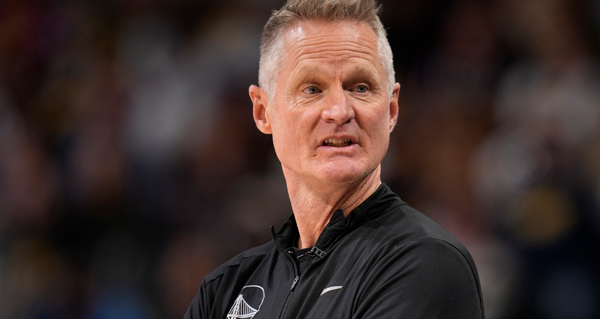
Steve Kerr raised concerns that the NBA's increased pace of play and condensed schedule has led to a surge in soft tissue injuries. Anthony Davis, Ty Jerome, Dylan Harper, Ja Morant and Jrue Holiday are currently out with calf strains, while over the past two days Giannis Antetokounmpo, Victor Wemanyama and Stephon Castle have been ruled out with additional strains.
"[The Warriors' medical staff] believes that the wear and tear, the speed, the pace, the mileage is factoring into these injuries," Kerr said.
According to ESPN Research, the league is playing at its fastest average collective pace since the 1988-89 season. Player tracking data shows teams are traveling 34.3 miles per game at 4.43 miles per hour, the longest distance and fastest speed since tracking began in 2013-14.
"Across the league, everyone understands that it's easier to score if you beat the opponent down the floor, get out in transition," Kerr said. "But when everybody's doing that, the games are much higher-paced. Everyone has to cover out to 25 feet because everybody can shoot 3s. We have all the data. Players are running faster and further [than] before. We're trying to do the best we can, but we basically have a game every other night. It's not an easy thing to do."
The Warriors coach has long advocated for reducing the schedule from 82 games to 72 or fewer. He believes the additional rest and practice time would significantly benefit player health and performance.
"We literally haven't had a single practice on this road trip," Kerr said. "Not one. We've been gone a week or longer. Eight days, not one practice. It's just game, game, game. So not only is there no recovery time, there's no practice time. What was different was back in the day, you did have four [games] in five nights, which was not great, but then you'd have four days between games. You'd take a day off and have a couple good practices."
Kerr expressed skepticism about schedule changes due to financial implications. He noted that reducing games would require all stakeholders to accept lower revenue, especially in the short-term.
"The tricky part is all the constituents would have to agree to take less revenue," Kerr said. "In 2025 in America, good luck in any industry. Imagine some big company saying, 'You know what, we're not as concerned about our stock price. We're actually concerned with employing people and giving people a stable job and making our product better.' That's not happening. You know that."